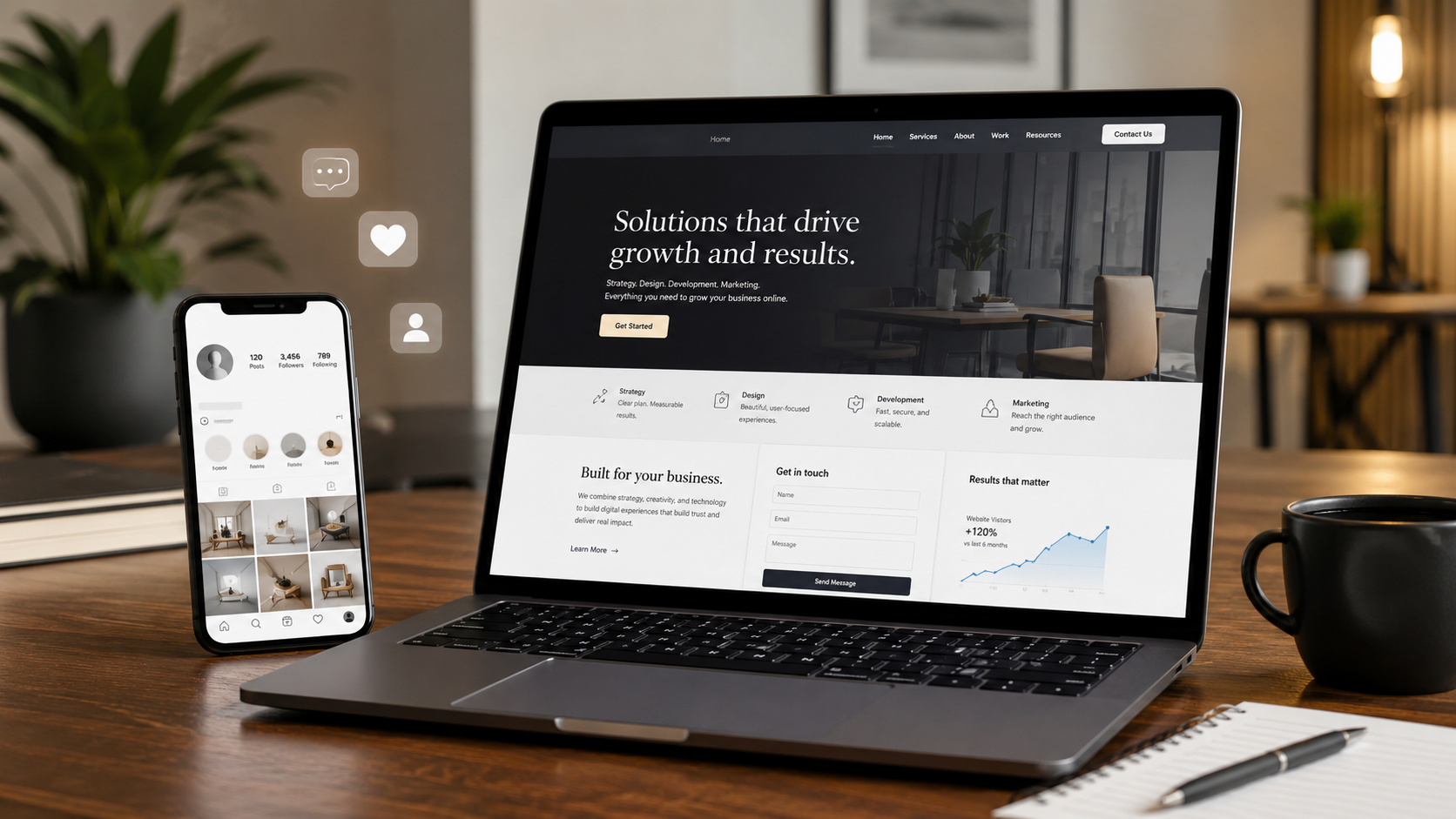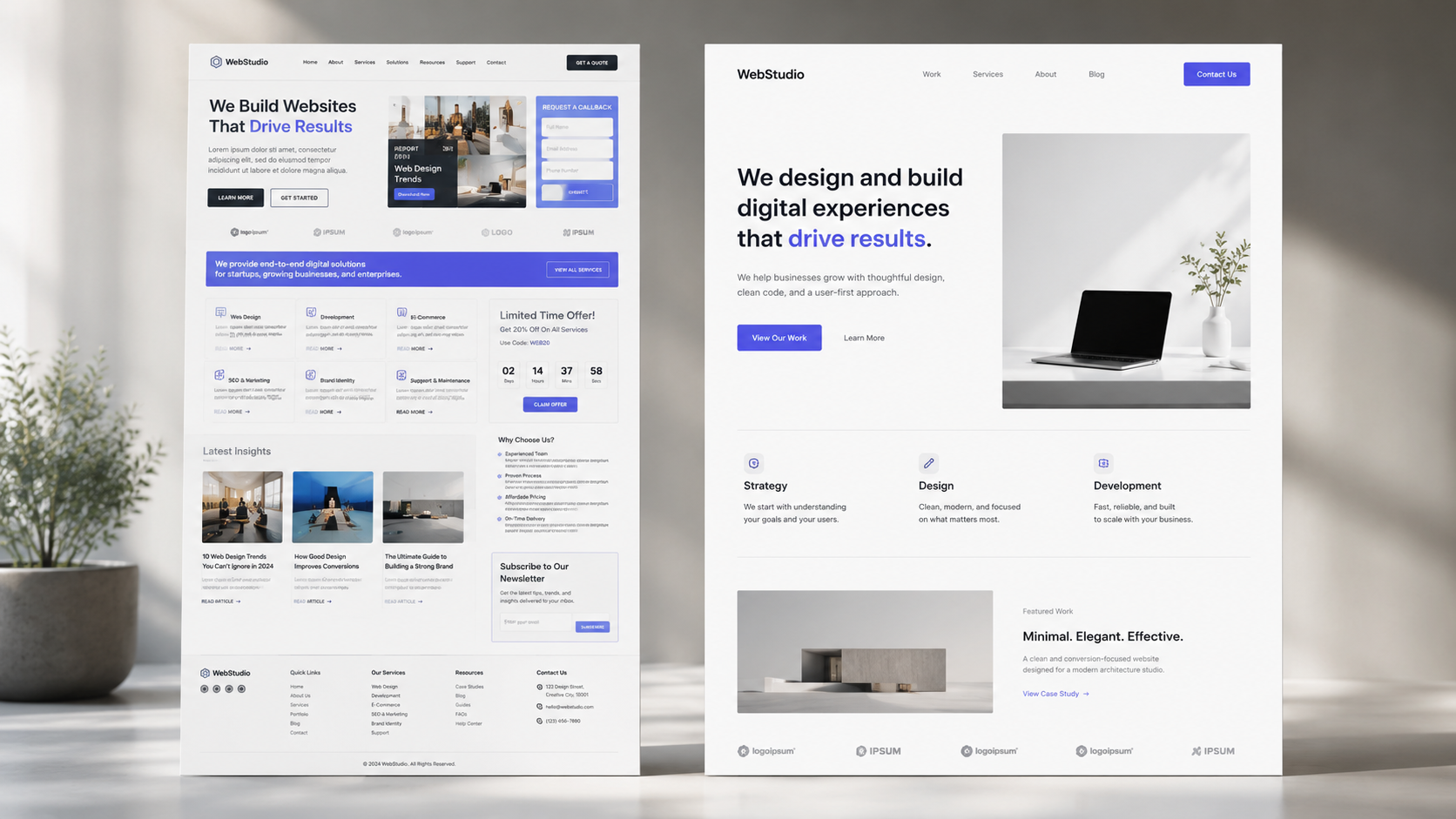
A small business website does not need many pages to be effective.
What matters most is having the right pages. Your website should help visitors understand who you are, what you offer, why they can trust you, and how they can contact you.
For most small businesses, a simple structure is enough to start.
Home Page
Your home page is usually the first page people see. It should quickly explain what your business does, who you help, and what action visitors should take next.
A good home page should make things clear within a few seconds. If visitors cannot understand your business quickly, they may leave. Your home page can link to your main services, contact page, and useful information across the website.
Learn more: How Can a Website Help My Small Business
About Page
The about page helps people understand who is behind the business. This page does not need to be long. It should explain your background, values, experience, and what makes your business reliable.
For small businesses, the about page is important because customers often want to know who they are dealing with before they make contact.
A clear about page can help build trust.
Services Page
Your services page explains what you offer. This is one of the most important pages on a business website. It should describe your services clearly, without making visitors guess.
If you offer different services, each one should have a short explanation. As your website grows, you may create separate pages for each service. This helps customers understand your work and can also help search engines understand your website structure.
Learn More: SEO Starter Guide on Google
Contact Page
Your contact page should make it easy for people to reach you. It can include your phone number, email address, enquiry form, location, opening hours, or links to social media. The main goal is simple: remove friction. If customers struggle to contact you, they may move to another business. A clear contact page can help increase customer enquiries.
FAQ Page
An FAQ page answers common questions before customers contact you. This can save time and make customers feel more confident.
You can answer simple questions about your process, pricing, service areas, timescales, bookings, payments, or anything customers often ask.
Helpful content should be written for real people and answer genuine questions clearly.
Reviews or Work Examples
Customer reviews, testimonials, or examples of previous work can help build trust.
People often want proof before choosing a business. Showing real feedback or completed work can make your website feel more reliable.
This is especially useful for service businesses, tradespeople, consultants, salons, restaurants, designers, and local businesses.
Learn more: What Makes a Website Look Professional
Conclusion
A small business website does not need to be complicated. Most businesses can start with a home page, about page, services page, contact page, FAQ section, and some trust-building content.
The goal is to make your website clear, useful, and easy to use. When the right pages are in place, visitors can understand your business faster and contact you with more confidence.
Ready to Build the Right Website for Your Small Business?
AxinexA can help you plan and build a professional website with the right structure for your small business.